
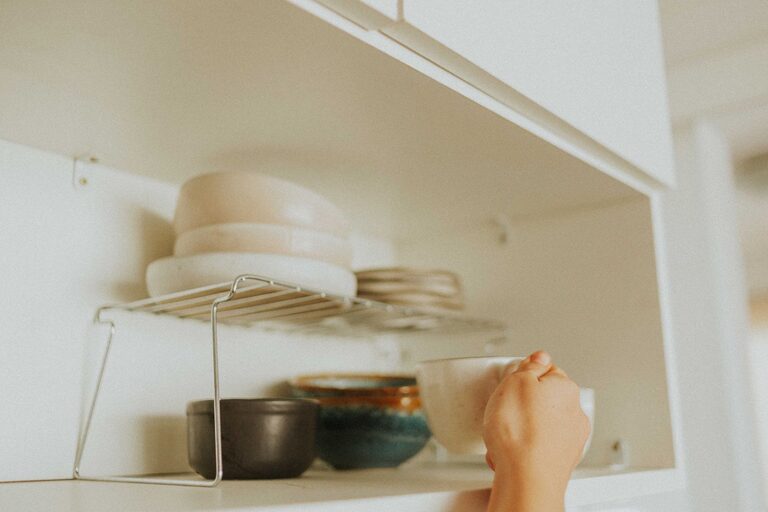
Keeping your fridge and pantry tidy can make a big difference in your daily routine. Not only does an organized kitchen help you find ingredients quickly, but it also reduces food waste and keeps your meals fresh. Whether you’re a seasoned cook or just looking to improve your kitchen habits, these practical tips will help you maintain a clean and orderly fridge and pantry.
Why Keeping Your Fridge and Pantry Tidy Matters
A cluttered fridge or pantry can lead to forgotten leftovers, expired food, and unnecessary stress when cooking. When items are neatly arranged and easy to see, you’re more likely to use everything before it goes bad. Plus, a tidy kitchen space feels more inviting and can inspire you to try new recipes.
How to Organize Your Fridge
1. Clean Regularly
Start by emptying your fridge completely. Wipe down shelves, drawers, and door compartments with warm, soapy water or a gentle cleaner. This step helps remove spills and odors.
2. Group Similar Items Together
Keep dairy products like milk, cheese, and yogurt on one shelf. Store meats in a separate drawer or shelf to avoid cross-contamination. Fruits and vegetables are best kept in designated crispers.
3. Use Clear Containers and Labels
Clear storage bins help you see what’s inside at a glance. Labeling containers with the contents and date helps you keep track of freshness and reduces waste.
4. Store Leftovers Properly
Place leftovers in clear, airtight containers and date them. Keep them at eye level so you remember to eat them soon.
5. Keep Temperature in Mind
The fridge should be set between 37°F and 40°F (3°C to 4°C) to keep food fresh. Store eggs in their original carton rather than the door, as the temperature there fluctuates more.
6. Avoid Overcrowding
A crowded fridge prevents proper air circulation, which can cause food to spoil faster. Leave some space between items for good airflow.
Organizing Your Pantry
1. Clear and Clean Your Pantry
Remove everything from your pantry and wipe down shelves. Check expiration dates and toss any expired or spoiled items.
2. Categorize Pantry Items
Group foods by type: canned goods, grains, snacks, baking supplies, spices, etc. This makes it easier to find what you need.
3. Use Clear Containers or Jars
Transfer loose items such as flour, pasta, and rice into clear, airtight containers. This keeps food fresh longer and looks neat.
4. Label Everything
Label containers and shelf sections so that everyone in the household knows where things go.
5. Use Shelf Organizers
Consider shelf risers, lazy Susans, or baskets to maximize vertical space and keep smaller items accessible.
6. Store Frequently Used Items at Eye Level
Keep daily staples within easy reach and less frequently used items higher or lower on shelves.
Tips for Maintaining a Tidy Fridge and Pantry
– Do Weekly Checks: Spend a few minutes each week removing items you won’t use and wiping shelves.
– Practice First In, First Out: When adding new groceries, place them behind older items so the older food gets used first.
– Plan Meals Around What You Have: Use what’s already in your fridge and pantry before buying more.
– Involve the Family: Encourage everyone to put items back in their place and clean up after themselves.
– Use a Shopping List: Keep a running list to avoid buying duplicates and reduce clutter.
Benefits of an Organized Kitchen Storage
– Saves Money: You can avoid buying duplicates or wasting food.
– Saves Time: Finding ingredients quickly speeds up cooking and meal prep.
– Improves Food Safety: Proper storage reduces spoilage and contamination.
– Reduces Stress: A clean kitchen creates a more pleasant cooking experience.
Final Thoughts
A tidy fridge and pantry aren’t just about aesthetics—they contribute to healthier eating habits and a smoother kitchen routine. With a little effort and regular upkeep, you can keep your food storage organized and make your time in the kitchen more enjoyable. Start with small steps like cleaning and categorizing, and soon it will become second nature. Your future self will thank you!